Hong Kong’s wet markets are goldmines if you know what to look for. The key? Shopping with the seasons. You’ll pay HK$8-12 for a bunch of fresh choy sum in January, but that same bunch costs HK$3-4 in May when it’s everywhere. Building your weekly meal plan around what’s actually in season means better prices, fresher produce, and less waste sitting in your fridge.
Spring (March to May): Peak Season for Greens
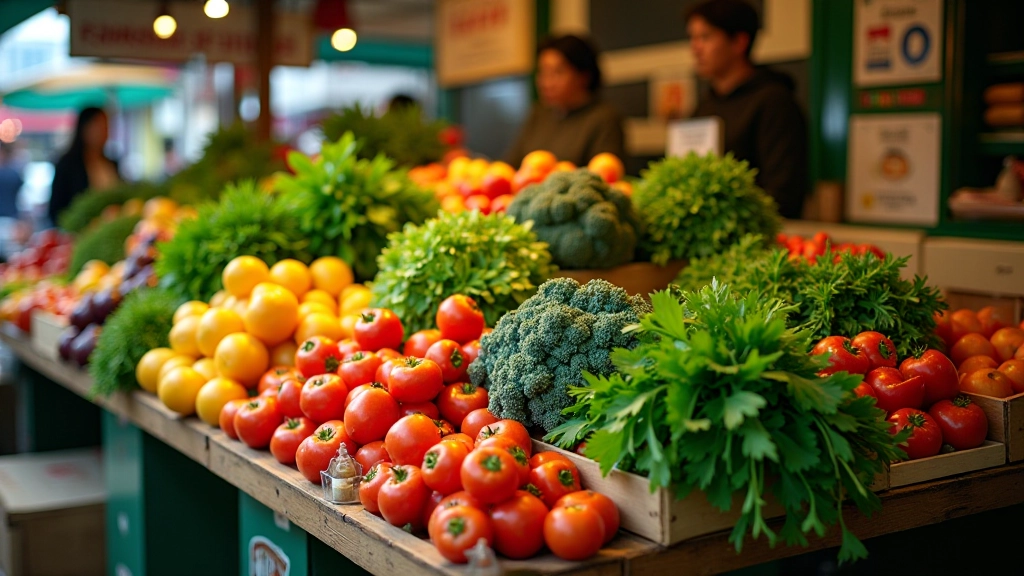
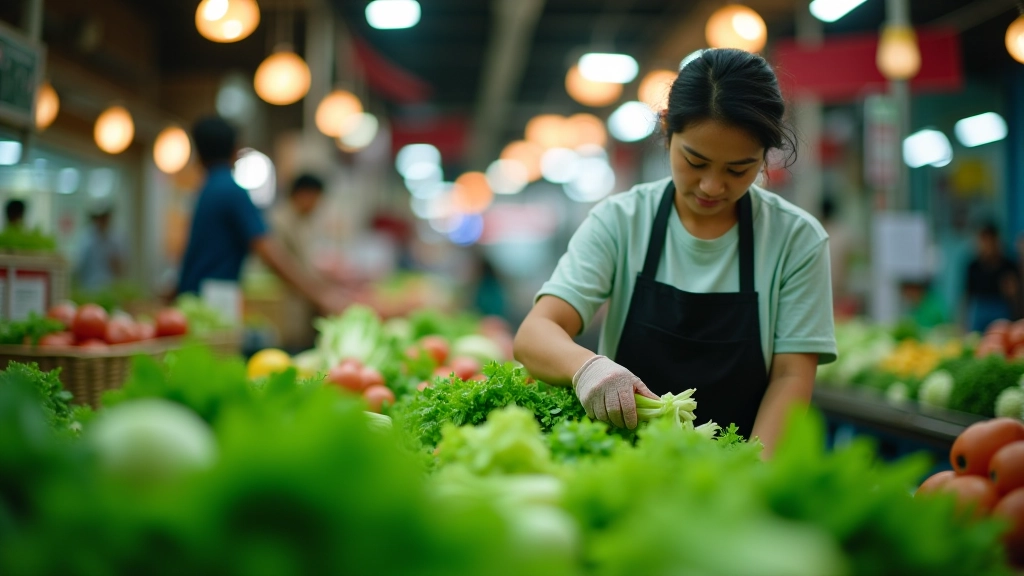
Spring floods Hong Kong markets with affordable leafy vegetables. Choy sum, gai lan, and water spinach are at their cheapest and most abundant. You’ll also find fresh bamboo shoots, spring mushrooms, and tender pea shoots.
This is the time to load up. A typical family can build 5-6 different meals around spring greens for under HK$150 in produce costs. We’re talking stir-fries, soups, and simple blanched vegetables with oyster sauce. Most of these keep well in the fridge for 3-4 days if stored properly in a plastic bag with paper towels.
- Choy sum: HK$3-5 per bunch
- Gai lan: HK$4-6 per bunch
- Bamboo shoots: HK$8-12 per pack
- Water spinach: HK$2-3 per bunch
Shopping Strategy Note
Prices shown are approximate and vary by market, season, and vendor. Always compare prices across different stalls before buying. Many vendors will negotiate on bulk purchases — don’t hesitate to ask for a better price if you’re buying multiple bunches.
Summer (June to August): Stone Fruits and Vegetables
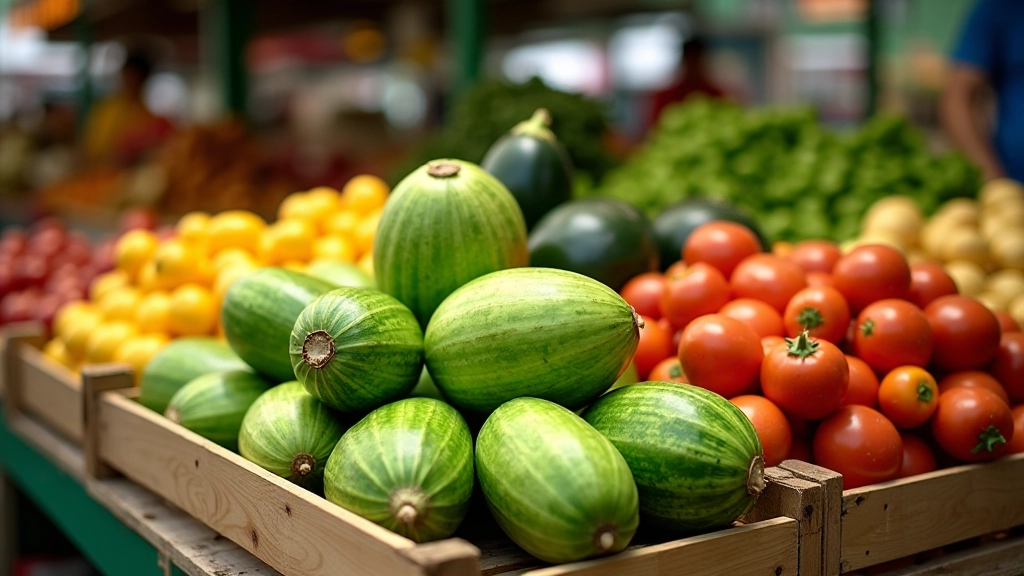
Summer brings bitter melon, eggplant, and abundant tomatoes. These vegetables are perfect for heavier stir-fries and braised dishes. Bitter melon with black beans and pork is a summer staple that costs around HK$30-40 per meal for a family of four.
The trick here is using what’s in peak season to anchor your meals. Don’t buy expensive out-of-season imports — stick with local summer crops. You’ll find luffa gourds, okra, and peppers at rock-bottom prices. Most of these keep 5-7 days in the crisper drawer without issues.
Plan your week around 2-3 main vegetables rather than trying to buy everything. If bitter melon and eggplant are cheap, build your meals around those two. Add a leafy green and you’ve got flexibility for the whole week.
Autumn (September to November): Root Vegetables and Squashes
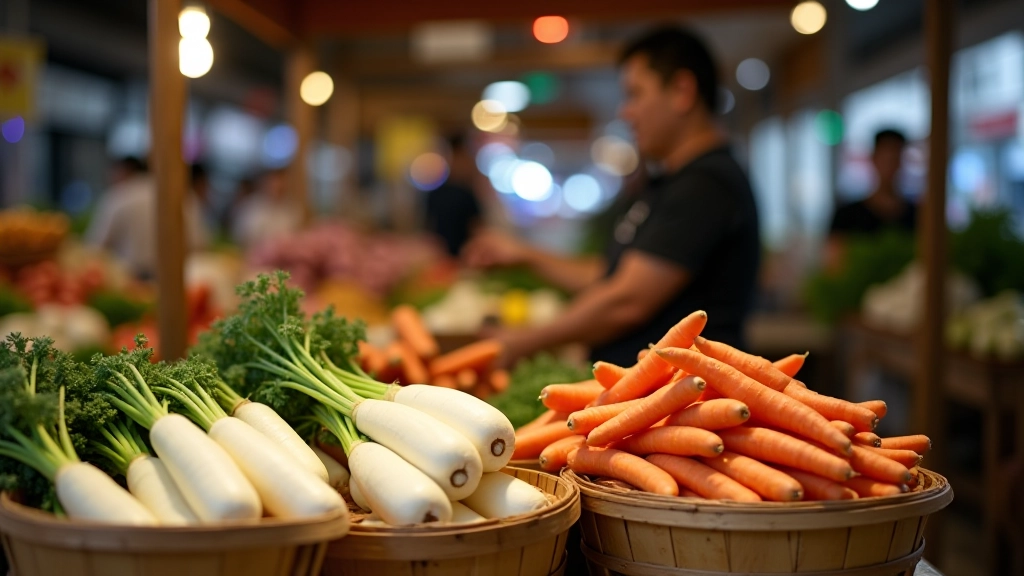
Autumn is when root vegetables shine. Carrots, daikon, taro, and sweet potatoes become incredibly cheap — often HK$1-2 per piece. These ingredients anchor comfort food meals that cost very little to prepare. A big pot of taro and pork soup feeds six people for under HK$50.
What’s great about autumn produce? It lasts. Store carrots and daikon in the vegetable drawer and they’ll keep for 2-3 weeks. This means you can buy larger quantities without worry. We usually buy enough carrots for two weeks at a time when prices are at their lowest.
This season also brings mushrooms — shiitake, oyster, and enoki varieties become abundant. Mushrooms add umami to simple meals and you’ll see them drop to HK$6-8 per pack when they’re in season. Pair them with root vegetables for economical, filling dishes.
Building Your Meal Plan: The Practical Framework

Here’s what actually works: Visit your local wet market on Saturday or Sunday morning. Don’t go with a strict list. Instead, look at what’s cheapest and freshest. Pick two vegetables that are at peak season and in-season proteins — usually pork or chicken are your best bets for price.
Base three dinners around your first vegetable. Base three dinners around your second vegetable. One dinner is flexible — maybe noodles, rice, or leftovers. This isn’t complicated meal planning. It’s just responding to what the market offers.
If choy sum is HK$3 and eggplant is HK$4, you’re looking at maybe HK$80-100 in vegetables for the week. Add a kilo of pork (around HK$60-80) and rice you already have at home, and you’re feeding a family of four for under HK$40 per person per week on food costs.
Winter (December to February): The Premium Season
Winter is trickier. Many of Hong Kong’s usual vegetables are imported or limited. This is when preserved vegetables and dried goods become your friends. Winter melon (HK$4-6 per piece) is abundant and perfect for soups. Chinese cabbage is affordable. Root vegetables from autumn storage are still available.
Your winter strategy should pivot toward dried and preserved items you bought in autumn — dried mushrooms, preserved vegetables, dried seafood for stock. This is also when cured meats like Chinese sausage become important ingredients in stir-fries, making dishes flavorful without needing expensive fresh ingredients.
Don’t fight winter prices. Work with them. Citrus fruits are cheap and abundant — they keep well and add flavor to cooking. Garlic, ginger, and onions are always affordable. Build winter meals around these stable items rather than trying to buy everything fresh.
Three Quick Wins for Seasonal Shopping
Shop by Price, Not by Plan
Ignore recipe ideas. Go to the market, see what’s cheapest, and build meals around that. You’ll save 30-40% on produce costs.
Buy Bulk When Cheap
When something hits its seasonal peak, buy enough for two weeks. Store properly and you won’t waste anything.
Negotiate Without Shame
Vendors expect negotiation on multi-bunch purchases. A simple “Can you give better price for three bunches?” usually works.