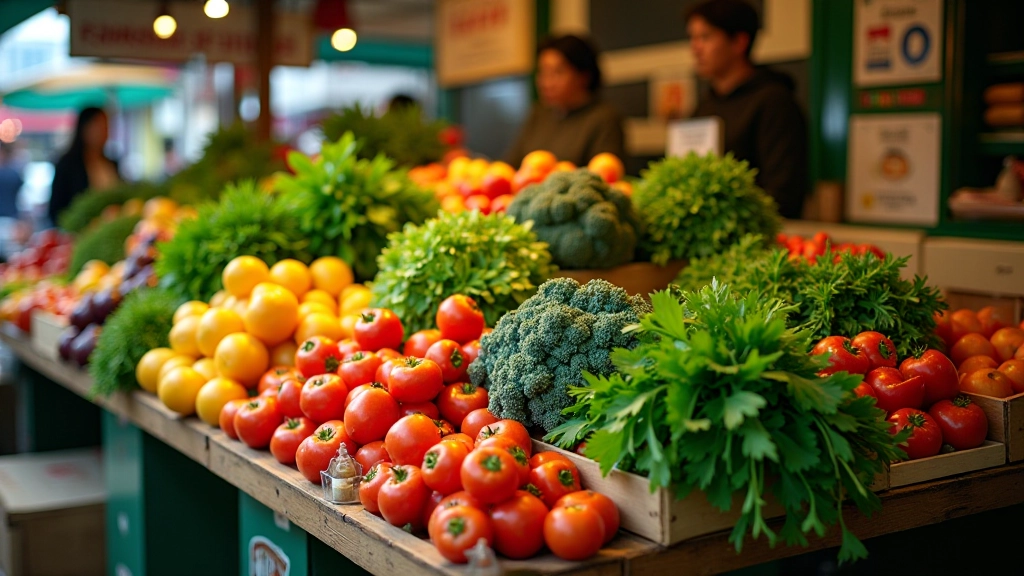
Planning Weekly Meals Around Seasonal Produce at Hong Kong Wet Markets
Discover which vegetables and fruits are cheapest each season and how to build meal plans around what’s available…
Read MoreWe compared the same 30 items across three major retailers. The results might surprise you about where you’re actually overspending.
We’re not talking about fancy organic produce or premium brands here. We picked 30 everyday items that most Hong Kong families actually buy — rice, eggs, milk, vegetables, chicken, canned goods, sauces. The kinds of things you grab multiple times a month.
We visited three Wellcome locations, two PARKnSHOP stores, and four wet markets across different neighbourhoods. Everything was recorded on the same day to keep prices consistent. The goal wasn’t to bash any single retailer — it’s to show you where your money actually goes and where you can save without cutting quality.

Here’s what surprised us. Wellcome’s prices were consistent across branches — very little variation between the Central location and the New Territories store. That’s actually helpful because you know what to expect. But consistency doesn’t mean cheap.
PARKnSHOP had lower prices on about 40% of items we tested. Specifically on fresh produce and eggs, you’ll save money. But their packaged goods? Usually pricier than Wellcome. It’s like they’re betting you’ll shop around, not that you’ll get everything in one trip.
Wet markets beat both chains on fresh produce by an average of 25-35%. But you’re trading convenience for savings — you’ll spend more time looking, comparing, and haggling.

This comparison is based on pricing observed in April 2026 at specific store locations. Prices change regularly and vary by location, so these results are informational only. We’re not endorsing any retailer — we’re showing you how to make better shopping decisions. Your local situation might be different, especially if you live further out in the New Territories or have limited market access. Use this as a starting point, not the final word.
Wet markets are where you’ll find the real savings. We tested seasonal vegetables — bok choy, morning glory, Chinese broccoli — and consistently paid 30-40% less than supermarket prices. Eggs were cheaper too. The trade-off is real though. You’ve got to go early (best selection before 10am), you need to know quality when you see it, and bargaining isn’t optional — it’s expected.
Plus, wet market vendors often give you better cuts. That chicken thigh you’re buying? They’ll trim it exactly how you want. Try asking a supermarket employee to do that.

Don’t commit to just one place. The smart move is splitting your shopping across all three. Here’s what actually works for most families we talked to:
Tuesday through Friday mornings work best. Go with a list and a budget. Most people save HK$100-150 weekly just on vegetables and chicken.
Check their weekly promotions — they rotate. Eggs and dairy are genuinely cheaper here most weeks.
Sauces, oils, canned goods, frozen items. Their loyalty programme actually stacks with sales. Don’t shop there for fresh — you’re paying premium.

We tracked three families for a month. Each was spending roughly HK$5,000-6,000 monthly on groceries. Here’s what happened when they switched to the mixed strategy:
These aren’t tiny changes. Over a year, that’s HK$4,000-11,000 saved. That’s real money for a Hong Kong household.
Shopping at one supermarket is genuinely convenient. You park once, walk one route, check out once. But convenience costs money. Wellcome and PARKnSHOP know this. They’re banking on you valuing time over savings.
Here’s the thing though — mixing retailers doesn’t have to be chaotic. You don’t need to hit all three places every week. Most families we talked to do the wet market run once or twice weekly (maybe 45 minutes including travel), then a quick PARKnSHOP stop for specific items, and Wellcome once a month for restocking packaged goods. That’s three trips instead of one, but the savings actually make it worthwhile.

Wellcome is reliable but pricey. PARKnSHOP is competitive on fresh items but hit-or-miss on packaged goods. Wet markets offer genuine savings if you’ve got time and know what you’re doing. The families who saved the most money weren’t choosing one loyalty — they were strategic about splitting their shopping.
Start tracking where you actually shop and what you actually spend. You might be surprised. Once you know the patterns, optimizing becomes easy. That’s when real savings kick in.