Sunday afternoon. You’ve got two hours and a clear counter. That’s it. That’s the whole commitment. By the time you finish, you’ve got 15 meals ready to go — no reheating fast food, no expensive delivery apps, just proper food waiting in your fridge.
Most people think batch cooking means spending your entire Sunday hunched over a stove. It doesn’t. It means smart planning. Pick three simple recipes that share ingredients. Cook them in parallel. Done. We’re talking about actually reducing your takeaway spending by 60% without turning into a weekend chef.
Why Sunday Matters (And Why You’re Probably Failing)
Wednesday night. You’re tired. Someone says “let’s order in.” And you do. Because there’s nothing ready. This happens to everyone. Not because you lack willpower. You’re just hungry and the friction is too high.
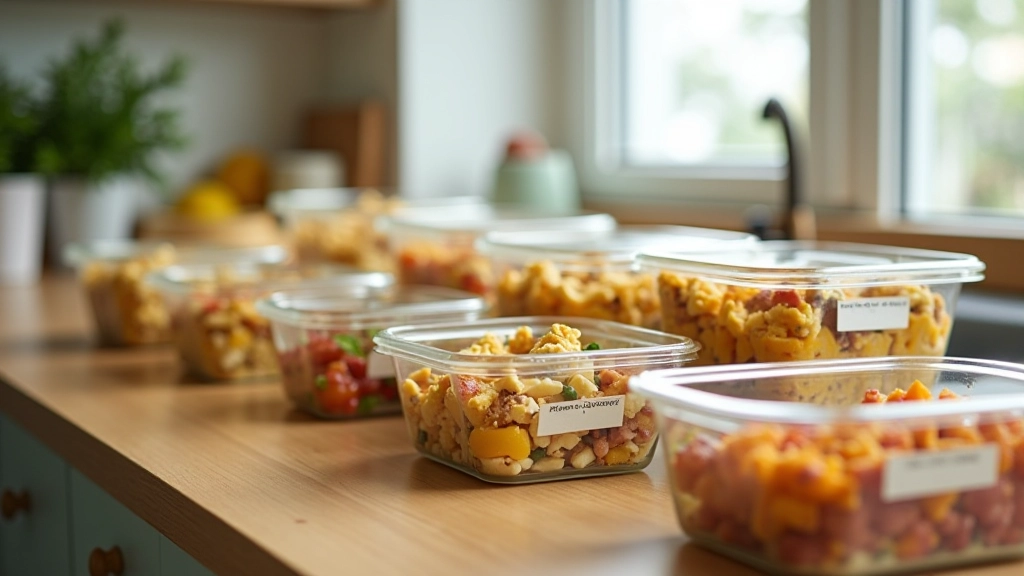
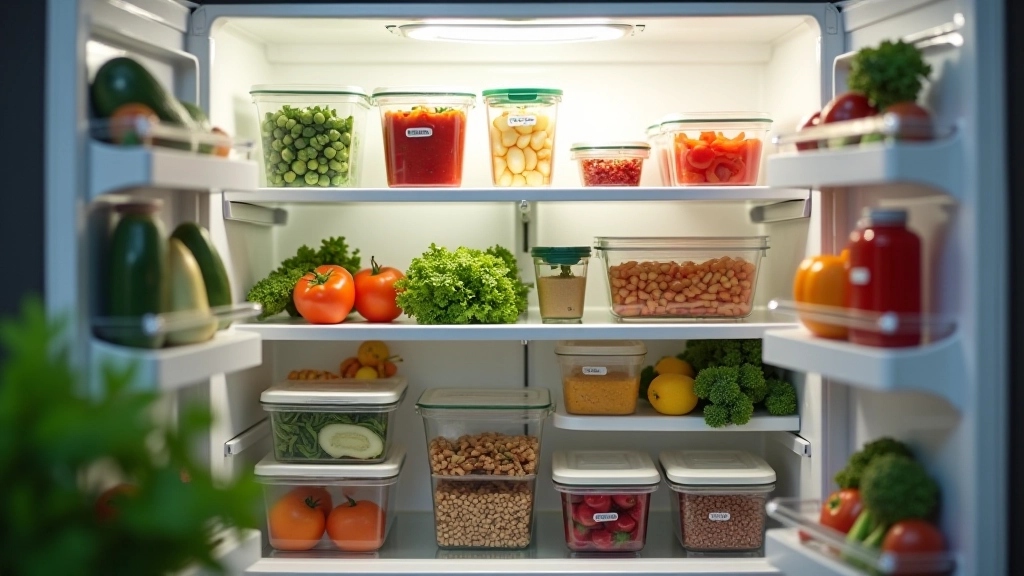
Batch cooking solves this. You’ve got containers of actual food sitting there. It’s already made. It’s cheaper than delivery. You’ll eat it because it’s easier than driving somewhere. That’s the whole system.
The money math is straightforward. A family ordering takeout twice a week spends roughly 2,400 HKD monthly. Cook on Sunday, eat 3-4 times from your batch, and you’re cutting that by half. Plus, you control the salt and portions. Your kids actually eat vegetables because they’re sitting right there in their lunch box.
Disclaimer
This guide is educational and based on typical Hong Kong household spending patterns. Actual savings will vary based on your current eating habits, family size, and local food prices. Food safety guidelines recommend consuming refrigerated meals within 3-4 days. Always follow proper food storage practices and consult nutritionists for dietary concerns specific to your family.
The Three-Recipe Framework
You don’t need complicated recipes. You need recipes that work together. This is the secret most people miss. Pick three that share 60-70% of their ingredients. This isn’t complicated.
Recipe 1: Stir-fried chicken with broccoli and brown rice. Recipe 2: Beef and tomato pasta. Recipe 3: Pork and vegetable fried rice. Notice what’s here? Onions. Garlic. Ginger. Oil. They’re all using the same base. You prep these once. Three recipes come out of that prep work.
The timing is crucial. Start your rice cooker first (45 minutes). While it cooks, prep all vegetables — this takes 20 minutes if you’re organized. Then cook Recipe 1 (15 minutes), Recipe 2 (20 minutes), Recipe 3 (15 minutes). Overlap everything. You’re not waiting for one thing to finish before starting another. Two hours from start to finish. Not because you’re rushing. Because you’re smart about the order.
The Two-Hour Timeline (Actual)
0:00 — Start Rice & Gather
Get your rice cooker going (brown rice takes longer). Pull out all ingredients. Set out your containers. No surprises later.
0:05 — Prep Everything
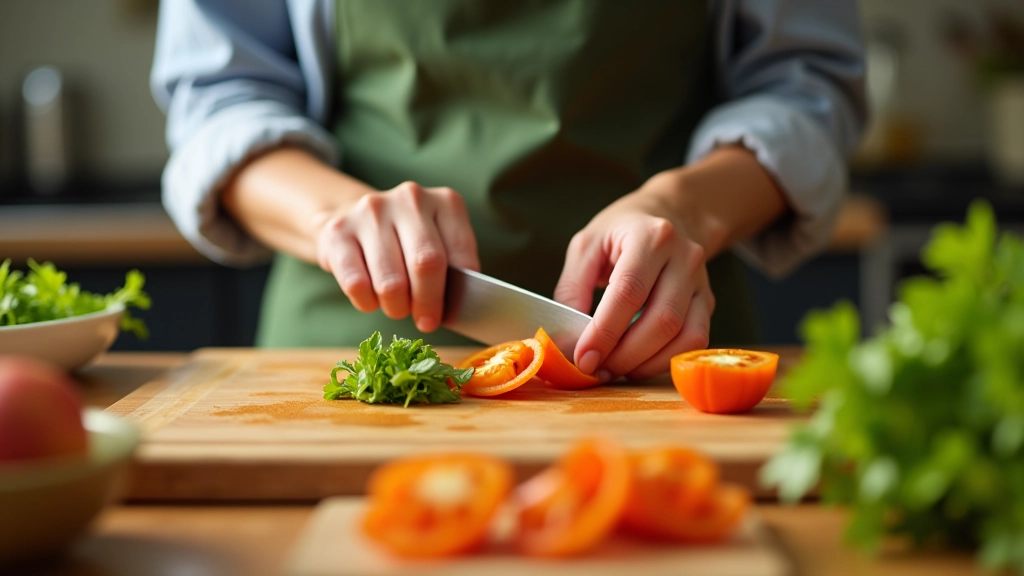
Chop onions, garlic, ginger, broccoli, carrots. All at once. This is 20 minutes if you focus. Music helps. A second person helps more.
0:25 — Start Recipe 1
Heat your wok. Chicken and broccoli stir-fry. 15 minutes total. While this cooks, prep your pasta water.
0:40 — Recipe 2 & 3 Parallel
Pasta’s boiling. Beef sauce is simmering. Fried rice is in the wok. Everything’s happening at the same time. This is the rhythm.
2:00 — Cool & Container
Everything’s done. Let it cool slightly. Portion into containers. Label with dates. Into the fridge. Done.
The Money Actually Works
Here’s what actually happens in a typical Hong Kong family’s food budget. Two parents, two kids. Current pattern: takeaway 2-3 times per week at 150-200 HKD per order. That’s 1,200-1,800 HKD monthly. Plus breakfast bought out. Plus lunch at the office. You’re easily at 2,500+ HKD.
Sunday batch cooking costs you 200-250 HKD in ingredients. It makes 12-15 meals. That’s 15-20 HKD per meal. A single takeaway order is 150-200 HKD for 4 meals (40-50 HKD each). The math is obvious. You’re not saving 60% — you’re saving more like 70% if you actually stick to it.
The real win isn’t just the money. It’s knowing what your family actually ate. No mystery sodium levels. No processed additives. Your kids’ lunches contain actual vegetables because you packed them. That’s worth something that doesn’t show up on a calculator.
What Actually Makes This Stick
Pick recipes you’ll actually eat
If you hate broccoli, don’t make a broccoli recipe. Sounds obvious. Most people do this anyway and then their containers sit in the fridge getting gross.
Containers matter more than you think
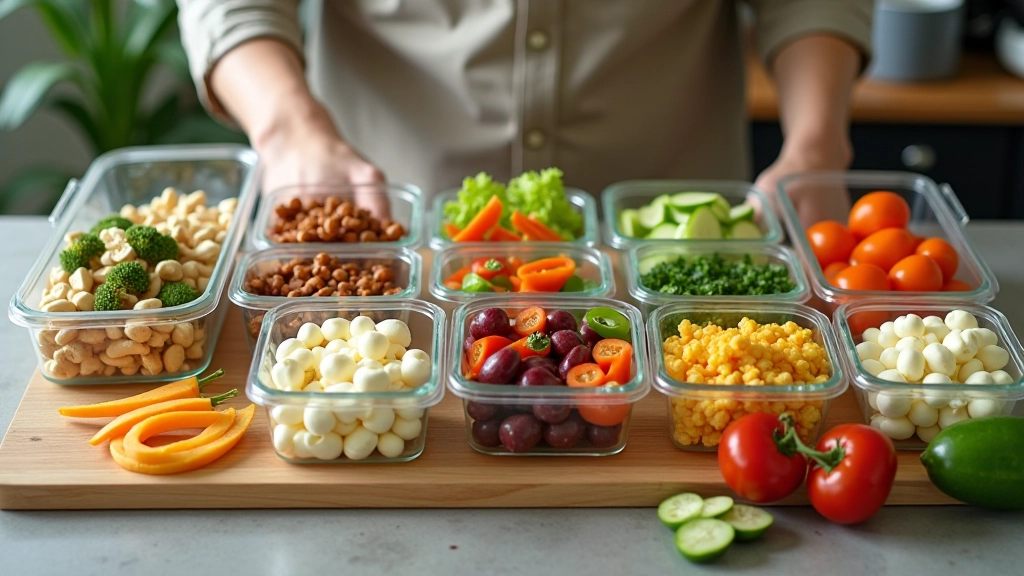
Good containers mean you’ll actually use them. Cheap ones leak. Get glass ones with good lids. They cost more upfront. You’ll use them for years.
Label everything with dates
Tuesday’s container needs to say “Sunday prep — eat by Wednesday.” You think you’ll remember. You won’t. Labels take 30 seconds and prevent waste.
Cool everything completely first
Hot food in sealed containers = condensation = soggy meals and bacteria growth. Let it sit 15 minutes. Your fridge will thank you.
The Real Test
Try this once. Not as a lifestyle change. Just as an experiment. Spend two hours on Sunday. Make three recipes. Pack them. Then count how many times that week you don’t order takeout because the food’s already there. You’ll probably surprise yourself. The system works because it removes friction. Your future self (on a Tuesday night when you’re tired) will be incredibly grateful. That’s worth the Sunday afternoon.